

Collaborative Post
A diabetes diagnosis can be a turning point in your life, but how successfully you manage it will depend on many factors. These include your diet and the changes you must make to ensure your blood sugar levels stay within normal ranges and do not spike or drop to dangerous levels. While research reveals a great way to do this is to have a low-calorie diet of between 800 – 1200 daily, there is a need to know more to make the best choices where your food is concerned. Here are some tips if you have recently been diagnosed and want healthy, delicious meals.
Embrace Whole Foods And Nutrient-Rich Choices
A diet rich in whole foods significantly affects how healthy you will be after a diabetes diagnosis. Whole foods contain essential nutrients and powerful antioxidants that stabilise blood sugar levels. The goal of incorporating such foods into your diet is to take the necessary steps to ensure your blood sugar levels stay normal and better manage the condition. Some examples of whole foods include nuts, vegetables, fruits, whole grains, and lean proteins, all nutrient-dense options worth considering.
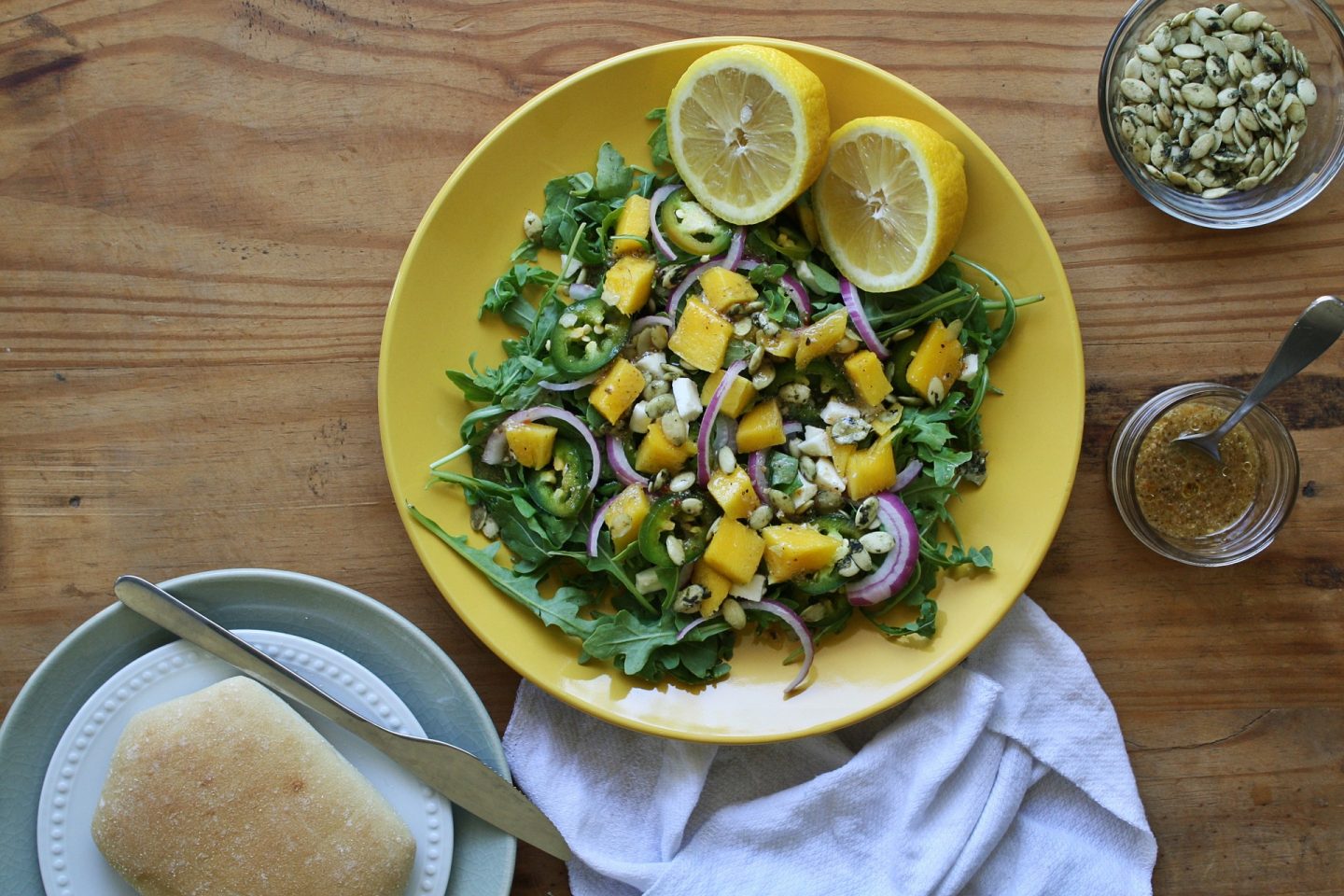
Usually, it’s said that having a colourful plate of food indicates the variety of vitamins and minerals present. For example, sliced tomatoes with avocado, blueberries, lettuce, and nuts show the mix of minerals and vitamins on your plate. Whole foods can also be excellent diabetes-friendly snack options you can munch on while on the go.

Manage Carbohydrates Wisely
Carbohydrates can significantly spike blood sugar levels, making it vital to be mindful of them when managing diabetes. During digestion, carbohydrates are broken down into more soluble forms known as glucose, which are rapidly released into the bloodstream.
With diabetes, that cannot be a good thing, especially because you’re trying all you can to regulate blood sugar. That has fuelled the misconception that it’s best to avoid carbohydrates completely if diagnosed with diabetes.
However, a better alternative is complex carbs because they release glucose gradually while preventing sharp spikes after consuming them. Brown rice, quinoa, and whole wheat pasta are perfect examples of complex carbohydrates you should add to your diet. Add vegetables and healthy fats to your complex carbohydrate dish to balance the nutrients.
Remember that it’s not about eliminating your best-loved comfort foods like the popular Southern style chicken fried steak, but rather, learning to pair it with a generous amount of non-starchy vegetables to help you eat healthier and control your blood sugar.

Be Committed To Portion Control And Mindful Eating
While portion control is an excellent eating strategy for all persons, it is even more necessary when you have diabetes. People often eat more than they should because the food is tasty. However, you can be more mindful in your eating by savouring each bite and allowing the body to be in tune with the mind when eating. Another trick worth noting is using smaller plates and bowls, which help prevent you from loading too much on your plate while limiting your consumption to the right quantity.
Remember that overeating is not recommended when you have diabetes, as it can lead to hyperglycaemia or high blood sugar. Before that happens, however, you will feel sluggish a few minutes after overeating. So, why does this not happen to someone without diabetes? It has everything to do with how your body processes food.
When you have diabetes, your body struggles to control blood sugar levels and has insulin resistance. Therefore, overeating puts immense pressure on your body to process all the food consumed. Your body responds by slowing down because it cannot cope with the excess pressure. However, you can avoid this by exercising portion control and mindful eating.
Consult A Dietitian Or Nutritionist
At some point after your diagnosis, you will be referred to a nutritionist or dietitian. Indeed, making dietary changes is no joke; it takes great commitment to adhere to the new lifestyle. A dietitian or nutritionist will best guide you through the process, especially when making those essential adjustments. It is, however, critical to consult one who has experience with diabetics. That is essential because it offers you the best care needed to live healthier and make informed decisions about your diet.
Based on your unique preferences and needs, the dietitian will create a rounded meal that still has most, if not all, your favourite foods. The differences might be the cooking method, adding more vegetables, and portion control. While at it, you must also work on yourself by accepting this new lifestyle. Without it, you may struggle with the adjustments needed to improve your quality of life.