
AD | Sponsored
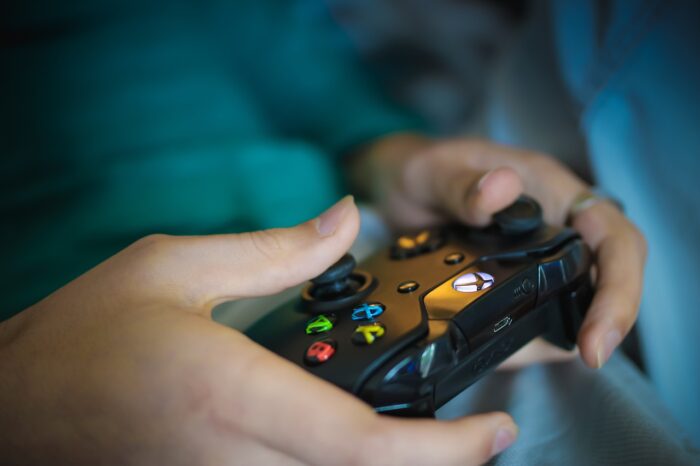
Computers have deeply and reliably entered our lives, and we can no longer imagine ourselves without electronic devices. But besides work and entertainment, we often use computers in raising children, letting them play computer games. However, modern games can be dangerous, and traumatic for children, and contain scenes of violence and cruelty. How to protect children from such games, how not to make a mistake in choosing games, and do children need computer games?
Think back to your child’s age. Surely you also liked to play video games, and perhaps you still play them. There are many games that generations grew up on – for example, World of Warcraft, which came out over twenty years ago. Overall, this is a great game to introduce older kids to the world of video games. Moreover, if earlier you had to suffer for weeks on a difficult mission, today you can order a boosting service, where professional gamers will help you with levelling, passing raids, and dungeons, including wow mythic carry. Today’s game-boosting service is growing along with PC games, so your kids don’t have to struggle with complex content in games today.
What computer games do you prefer?
Often, adults have no idea what their child is playing on the computer. Some do not understand the plots and specifics of computer games, while others are simply not interested in this. And in vain, because among the hundreds of thousands of games, there are many that are frankly harmful to the child’s psyche. Take the time to explore the essence of your child’s favorite games. And if you find in them scenes of cruelty, violence, themes of death, or signs of aggression – try to calmly but firmly exclude them from the game repertoire. Otherwise, you risk raising a child with a sick psyche.
Does a child need a computer?
According to numerous studies by scientists, the rational use of a computer in the education and entertainment of children is useful. However, the time spent on the computer monitor should be limited. Children under 3 years old – no more than 15 minutes up to two times a day, children under 6 years old – up to half an hour twice a day, children of school age – no more than 40 minutes of a session (no more than two times a day). Otherwise, an excess of emotions will cause overexcitation, and the flickering of the screen, which is not visible to the eye, but sensitive to the brain, will form overwork and even a decrease in vision and attention.
Are computer games good for kids?
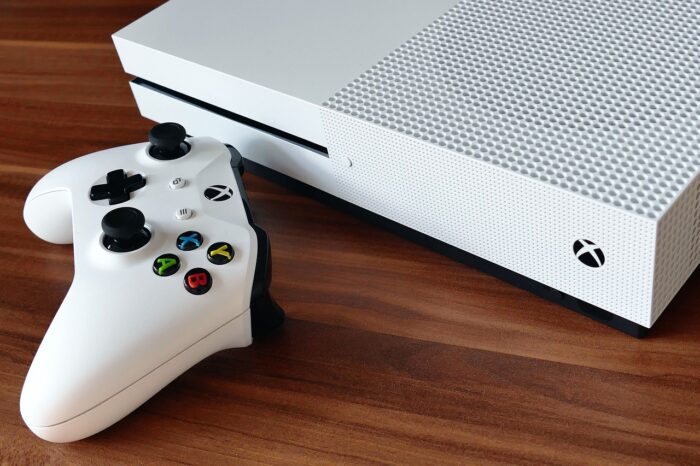
They are useful but in moderation. As you become more familiar with the world of computer games, you will realize that carefully chosen games can be a very handy learning tool. Moreover, games can involve those areas of knowledge where parents sometimes cannot give as much to the baby as a good educational game will give. In addition, many professions today are already very closely related to knowledge of the computer and the Internet, so the development and possession of a computer for a child will be useful.
Many games teach reading and writing, speed typing and logic, spatial thinking, and broadening one’s horizons. In addition, in the children’s environment, computer skills and the ability to play popular games are an occasion for acquaintance and communication. Moreover, computer games improve literacy for children.
What should parents remember?
Whatever games you choose for a child, staying at the monitor in a static position for a long time is tiring, the eyes get tired and the nervous system is overexcited. This affects the behavior and sleep of the child. Therefore, it is necessary to make dosed entertainment out of computer games, they can be used as incentives if the child behaves well or helps. If the computer has access to the Internet, be sure to set up parental controls and site filters, or rather, control your child’s games and his communication on the Internet.
Some advice for parents
In general, the child forms an attitude to the computer, focusing on the parents. If this device is the master in the house, subjugating adults, then any arguments about the dangers of spending many hours at the computer will be useless. Here are a few tips to help parents establish a healthy balance between computer play and away from gadgets for their child.
1. Respect your child’s passion for computer games, do not call them nonsense or stupidity. This will help build a trusting relationship with the child and a willingness to listen to your words about the games.
2. Choose computer games with your child.
3. Discuss in advance and clearly the time your child plays on the computer and strictly adhere to this framework.
4. Be aware of the hobbies, interests, and problems of the child, and spend leisure time together.
5. Help your children find a new hobby – enroll them in a creative, sports section.
If parents themselves love a variety of leisure activities, have hobbies, and are always ready to organise something unusual and exciting for the whole family, then the computer will be perceived by the child as an ordinary household appliance. Undoubtedly, necessary and useful, but without which, if desired, it is quite possible to do, because real life is much brighter and more interesting.