AD | Sponsored Post
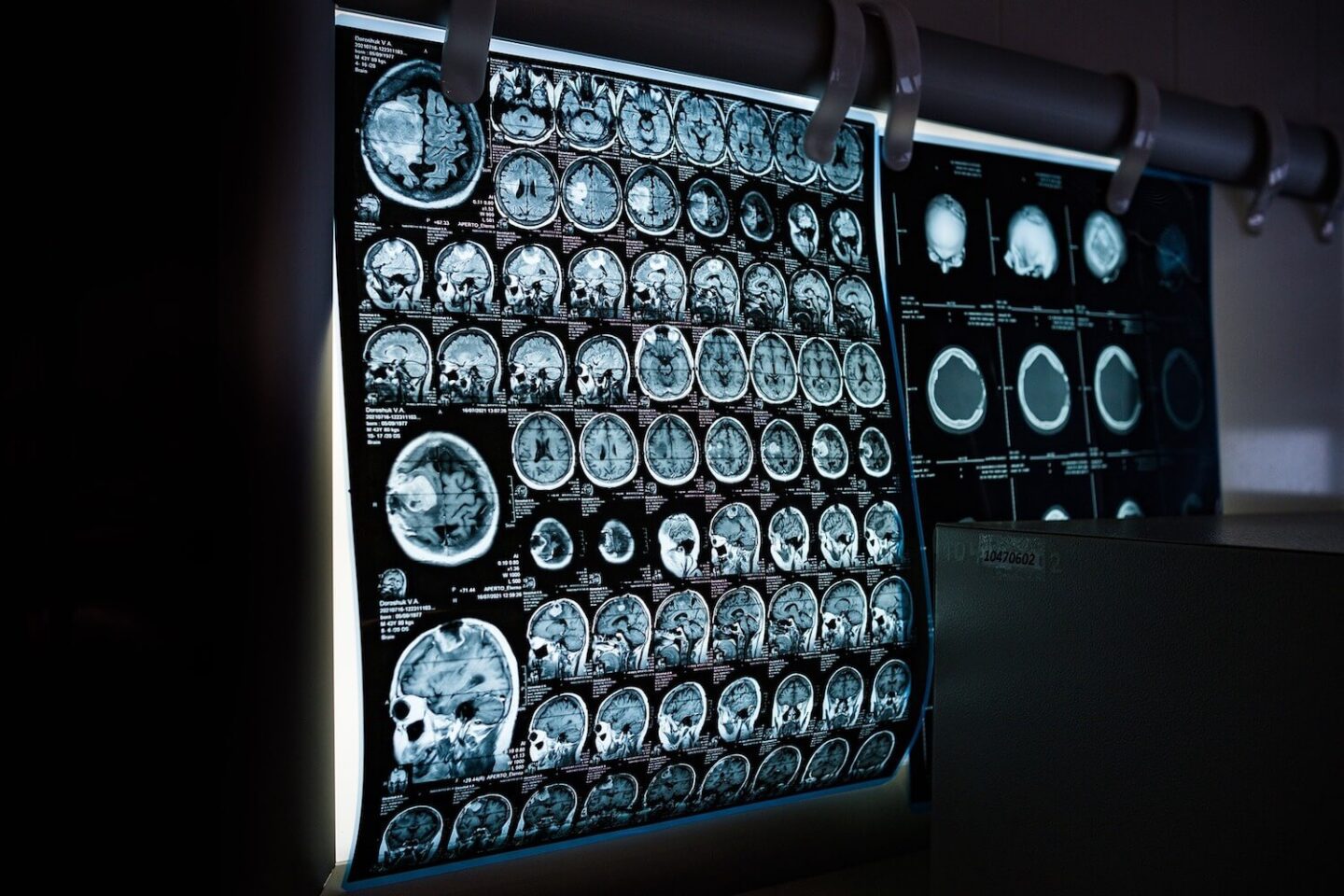
Medical imaging technologists, also known as radiographers, specialise in capturing and analysing human body images using medical imaging technology. They are essential in diagnosing and treating various medical conditions, including cancer, fractures, and heart disease. This comprehensive guide will deliver an in-depth understanding of the role of a medical imaging technologist and its importance in the healthcare industry.
Education and Training
Becoming a medical imaging technologist requires extensive education and training. A four-year medical radiation science or radiography degree is typically necessary to become a qualified medical imaging technologist. During this period, students learn about anatomy, physiology, radiographic physics, and medical imaging techniques.
After completing their degree, aspiring medical imaging technologists must obtain a license to practice in their state or country. This typically requires passing a certification exam. Ongoing education and training are also essential for medical imaging technologists to maintain their licensure and stay up-to-date with the latest advancements and developments in medical imaging technology.
Roles and Responsibilities
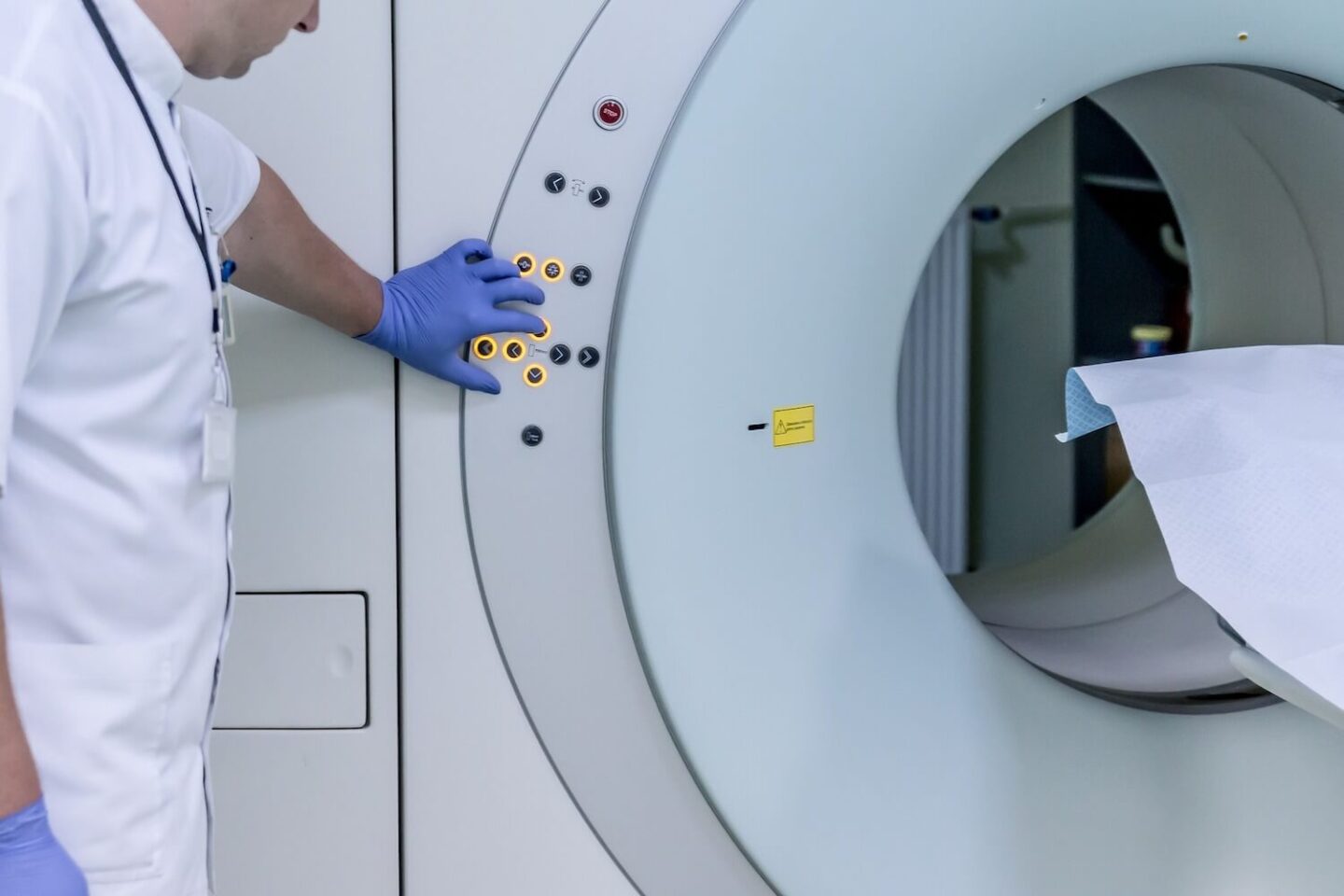
Medical imaging technologists play a crucial role in the healthcare industry, working alongside physicians, surgeons, and other healthcare professionals. The role of a Radiographer is to capture high-quality human body images using various medical imaging technologies, such as CT scans, X-rays, MRI scans, and ultrasound. These images help physicians diagnose and treat a wide range of medical conditions.
In addition to capturing images, medical imaging technologists are also responsible for ensuring patient safety. They must follow strict safety protocols and procedures to ensure that patients and caretakers are not exposed to excessive radiation. They must also ensure that patients are positioned correctly and comfortably during imaging.
Another critical responsibility of medical imaging technologists is maintaining and operating medical imaging equipment. This includes ensuring that the equipment is properly calibrated and functioning correctly and troubleshooting any technical issues.
Specialisations
Medical imaging technologists may also specialise in a particular area of medical imaging. For example, some medical imaging technologists may specialise in mammography, which involves capturing images of breast tissue. Others may specialise in computed tomography (CT), magnetic resonance imaging (MRI), or ultrasound.
Working Conditions
Medical imaging technologists typically work in hospitals, clinics, and imaging centres. They may also work in private practices, government agencies, or research facilities. The work circumstances can be physically demanding, requiring lifting and positioning patients, manoeuvring heavy equipment and standing.
Medical imaging technologists may work full-time or part-time and may be required to dedicate time on weekends, evenings, or holidays, depending on the facility’s needs. They may also be on-call and must be available to respond to emergencies.
Career Advancement
Medical imaging technologists may advance their careers by pursuing additional education and training. For example, they may choose to specialise in a particular area of medical imaging or pursue a higher degree, such as a Master’s in Medical Imaging. They may also become a manager or supervisor in a healthcare facility.
In addition to career advancement opportunities, medical imaging technologists may specialise in a particular area of medical imaging, such as mammography, computed tomography (CT), magnetic resonance imaging (MRI), or ultrasound.
Conclusion:
Medical imaging technologists are vital members of the healthcare industry. Their expertise in capturing and analysing medical images helps physicians diagnose and rectify various medical conditions. With extensive education and training requirements and ongoing education and training, medical imaging technologists are dedicated to ensuring patient safety and staying up-to-date with the latest advancements in medical imaging technology. The career advancement and specialisation opportunities make this field an exciting and fulfilling career path for those interested in healthcare and technology.
Looking For More Information On Health?