AD | Sponsored Post
In eating healthily and coordinating a balanced diet with improvements in a child’s education, it’s worth exploring your child’s eating habits and how it can impact their progression. A healthy diet promotes the brain’s growth and a child’s energy levels, with a lot of children growing their skills due to a balanced diet.
However, your child can potentially fall behind due to their poor diet. It can relate to a lack of concentration, increased stress, and much more.
Here are some key things your child’s diet will impact in your child’s educational growth throughout their time in a private school or in public school.
If Your Child Has A Poor Diet
A poor diet can be described as having a diet of junk food, chocolate, sweets and other foods high in fat, salt and sugar content. It’s important to give your child the right foods to keep them healthy and focused in the classroom. A bad diet means your child is more likely to develop poor behaviour in general, as well as less concentration, poorer mental health and oftentimes a greater lack of sleep.

If Your Child Has A Good Diet
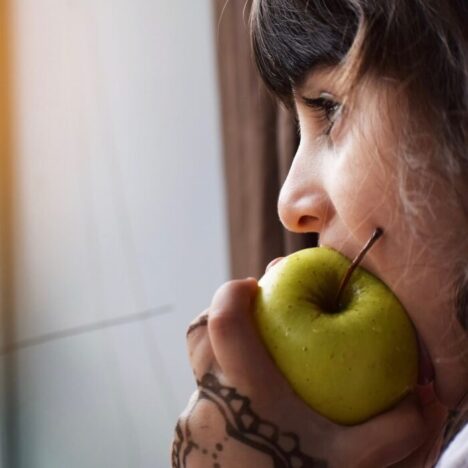
A good diet should include lots of fruits and vegetables, a healthy mix of grains and carbohydrates with minimal amounts of sugar and salt. While the odd treat is bound to happen, and is encouraged in small doses, it does mean that your child is better in charge of their energy levels and concentration. Having a better diet makes for happier children as well, and they are developing a better relationship with food as a result.
Keeping A Balance
It’s important to balance your child’s diet all of the time to ensure they are happy, healthy and energised. With all the elements your child has to consider in their lives, a good diet will ensure they remain focused all of the time, while also benefiting their future health. If you think your child’s health needs to improve, focus on what they eat each week and fine tune things – from what they have in their lunchbox to what they choose for dinner.
Looking For More On Keeping Your Children Healthy?