

AD | Post Sponsored by Responsival
Wherever we go and whoever we meet there always seems to be someone who is full of doom and gloom. They’re quick to tell you about their distant relative who had their toe/foot/lower leg amputated because of their diabetes. It’s just no what we want to hear.
The sad reality of like with diabetes is that complications do happen, and our feet is one of the more badly hit areas. But with that said, there are things we can do to minimise the damage and protect our feet.

How Does Diabetes Affect Your Feet?
Lack Of Sensation
Going through life with raised blood sugars damages the nerves in your body. This usually starts in the peripherals – your toes. This results in poor sensation in your feet, and you may not realise when you have hurt your foot.
A simple cut can go unnoticed, not get cleaned out properly and get infected. If it continues to be missed then it can have serious consequences, such as sepsis.
Poor Circulation
Continual high blood sugars over a number of years can damage your blood vessels, reducing their ability to provide sufficient blood flow to all parts of your body. Peripherals are usually affected first, your hands and feet.
As a result of poor circulation you will find that wounds heal more slowly, increasing the chances of infection and foot ulcers. Inflammation and aches in the feet can take longer to heal – especially without appropriate treatment, such as insoles for plantar fasciitis.
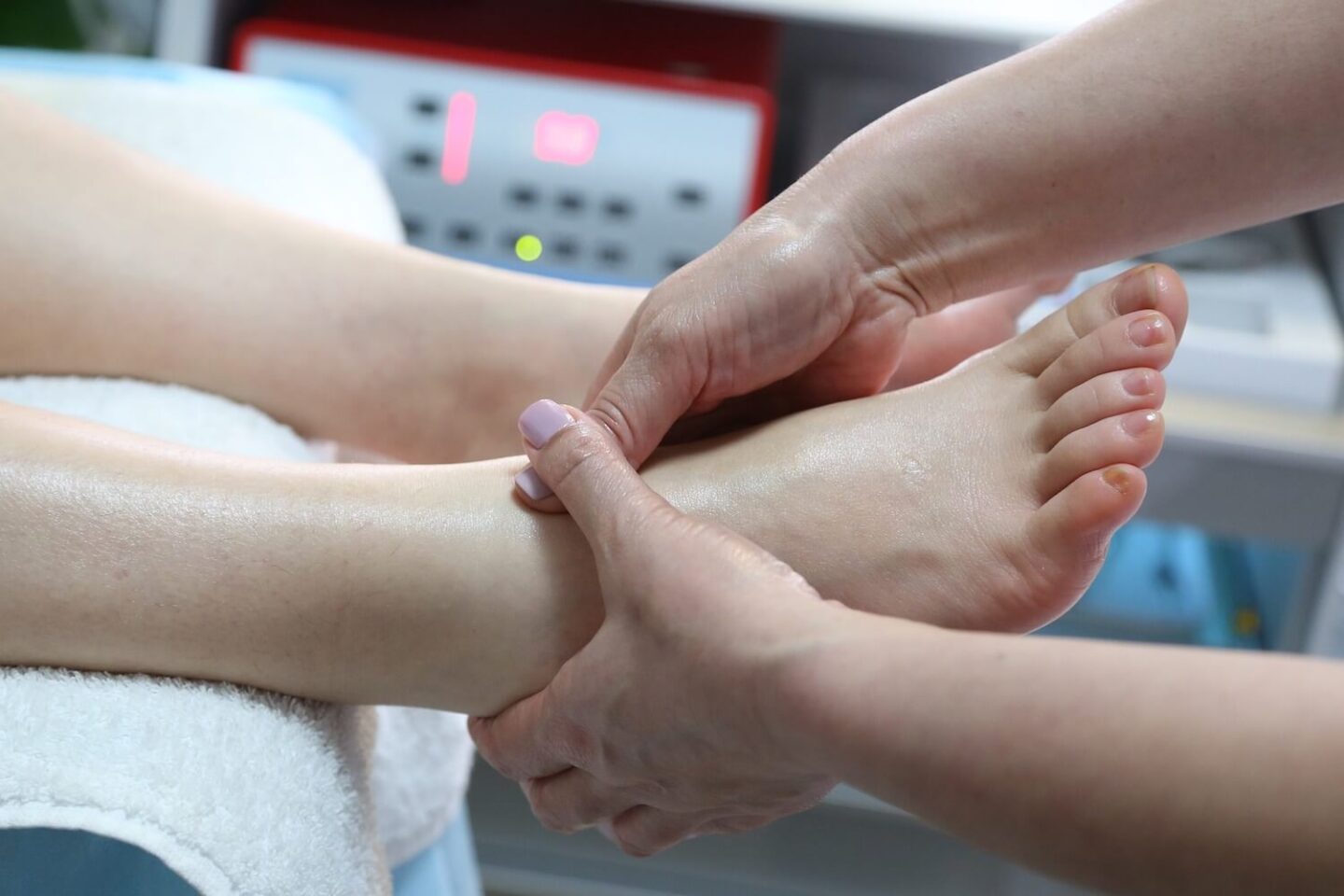
Taking Care Of Your Feet With Diabetes
So that all sounds a bit scary doesn’t it. But with a bit of care and attention you can make the very best effort to protect your feet and keep these problems at bay.
Maintain Stable Blood Sugars
Now I appreciate this is easier said than done, but controlled blood sugars are the best first defence against diabetes complications. That doesn’t mean you have to have perfect blood sugars all the time – that’s just not realistic – but making sure that spikes aren’t prolonged makes a big difference to your overall health.
Depending on the type of diabetes you have you will lower your blood glucose levels through changes to your diet, medication or insulin. Note – Type 1 diabetes can only be managed with insulin.
Check out how the MiaoMiao 2 helps me keep on top of my blood glucose levels
Annual Clinical Foot Check
Every year you should have a foot check as part of your routine screenings. This foot check is just as important as your eye screening, hbA1c and kidney function tests, even if it may seem trivial at the time.
During this screening your feet will be examined and a quick test done to check your sensation in your feet and toes. If this raises any concerns then further tests will be carried out.
Your annual foot screening is one way of catching the first signs of damage to your feet, however you should still be paying attention to your feet at home and raising any concerns as soon as you come across them. There is no need to wait for your annual foot screenings if there is a change.
Careful Foot Wear Choices
When you are choosing what to wear on your feet and are comfortable. Anything that can rub or cause blisters should be a no go, due to the risk of infection while they heel.
There are lots of diabetic socks for men to choose from if you require someone that is comfortable but isn’t too tight. Socks need to allow adequate blood flow and not cut off the circulation. You should also look out for flat seams, as a raised seam at the toe can rub and cause irritation on the skin or a blister.
Before putting on your shoes it is good practice to rub your hand along the inside to make sure there is nothing sharp or inconsistent within the shoe. That way you can happily get moving without any concerns that day.

Daily At Home Foot Check
It is good practice to carry out a daily foot check at home when you have diabetes. It doesn’t have to take long, simply add it to part of your routine when you get dressed in the morning. Feel all over your feet for anything different or unusual, and visually inspect them for cuts, blisters or damaged skin.
Looking For More Information On Diabetes Complications?