
Collaborative Post
Walking holidays are once again gaining in popularity, for a number of reasons – not in the least the rising costs of more conventional family holidays. However, this is bittersweet news; favoured walking destinations are now more flooded than ever, leaving the real walking enthusiasts to find new, lesser-trod routes. But some of these routes also hold unique and intriguing links to the past. As someone with a penchant for history, what might some of the best historic trails in the UK be?
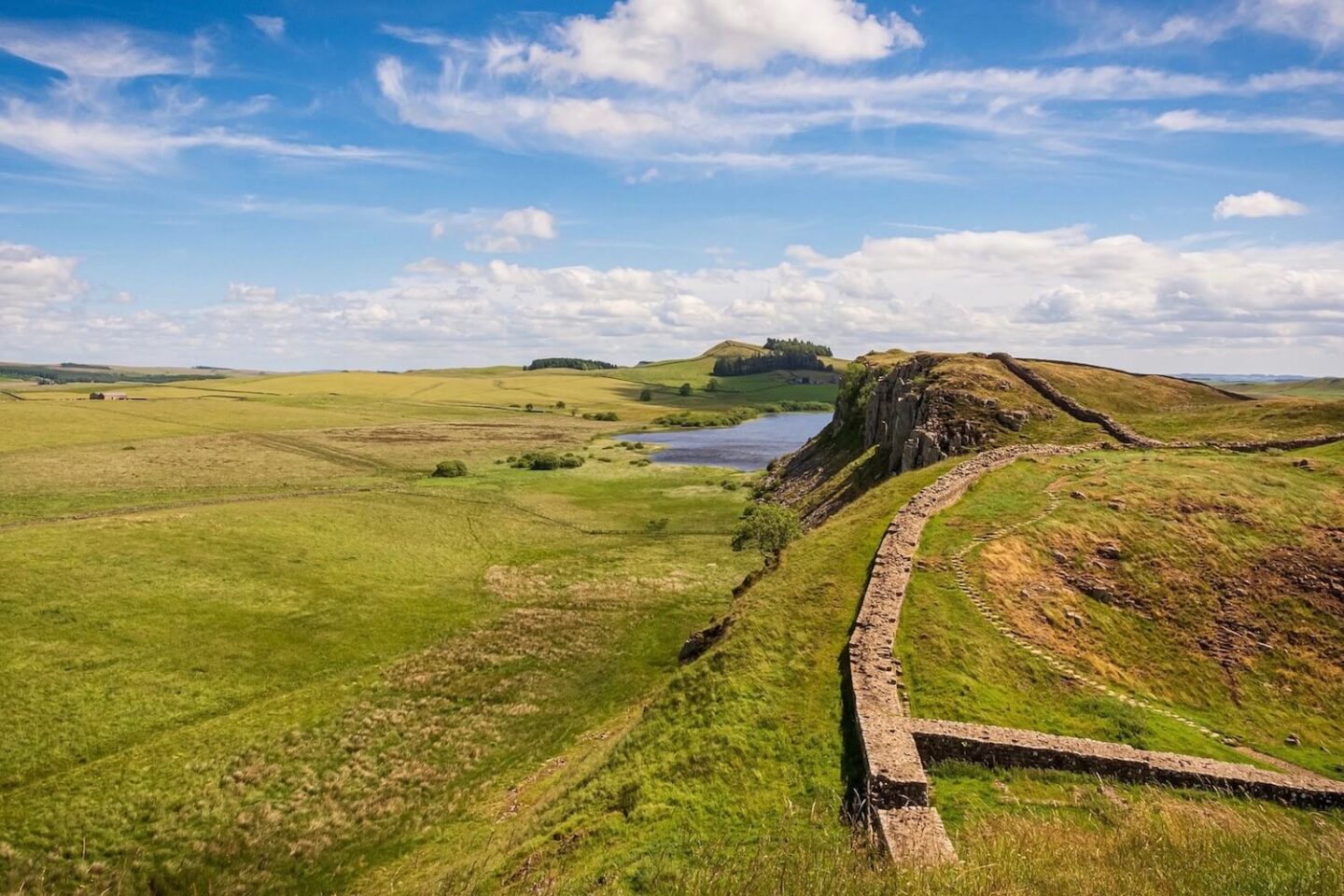
Hadrian’s Wall Path
Hadrian’s Wall is an infamous part of England and Scotland’s rich, vibrant history, capturing as a time capsule a period of Roman history where the ‘untamed’ north of Caledonia was a real threat to an expansive empire. The Hadrian’s Wall Path follows the wall and its remnants for 73 miles, from coast to coast; the walk takes in a great variety of sights beside what remains of the wall itself, including a Roman high street that remains in Corbridge.
Ilkley Moor
For a less intense walking experience, there is a much shorter route to be found in the Yorkshire town of Ilkley. Ilkley is a quaint West Yorkshire destination with ties to the Bronze Age, a stone’s throw from the Yorkshire Dales National Park; it is particularly easy to travel to, especially by train, and marks a glorious day out on its own merits.
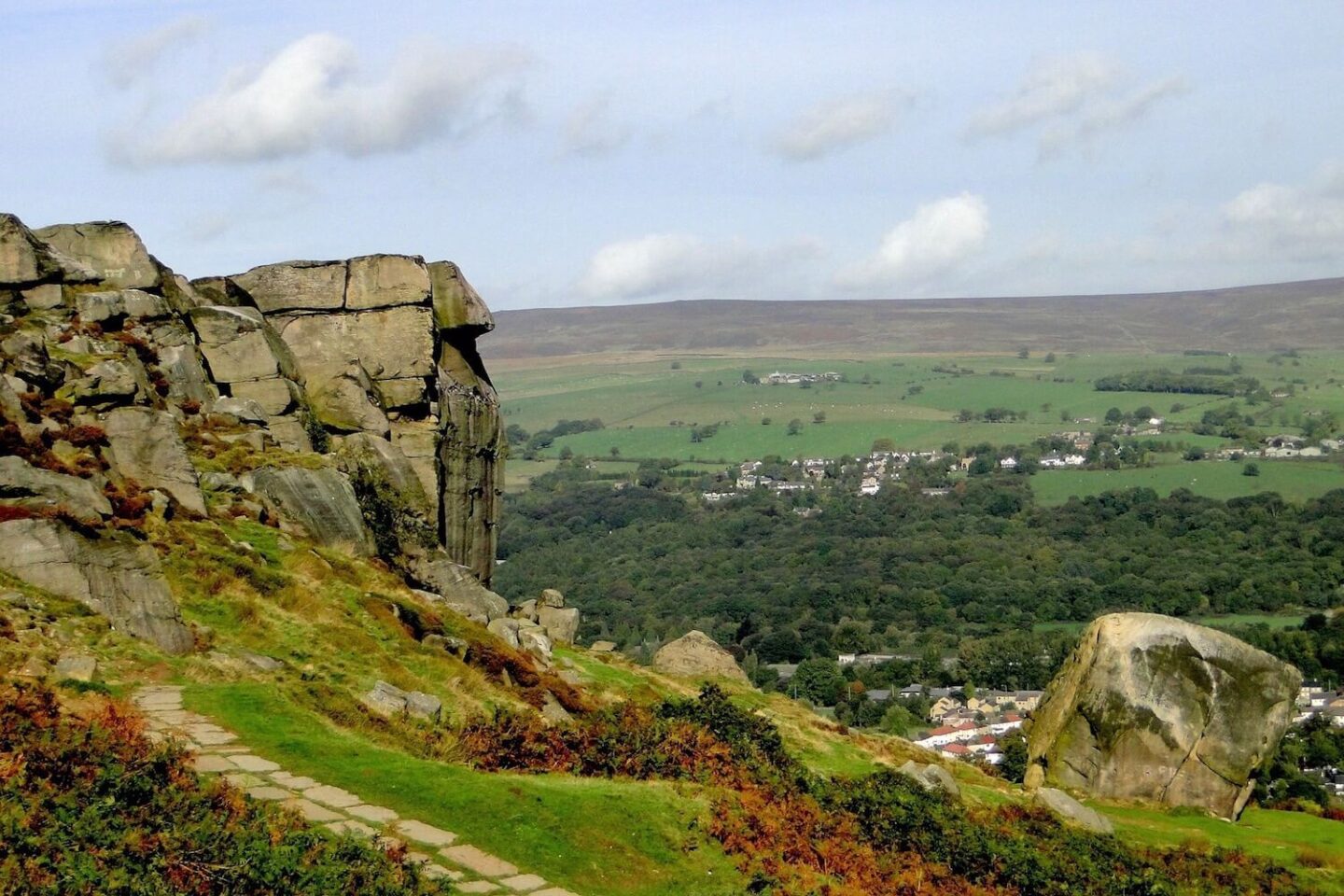
The walk, though, takes in Ilkley’s claim to fame: Ilkley Moor, a stunning natural landscape that features the rock formation ‘Cow and Calf’ – itself an attraction mired in legend. Walking the town and nearby moor is a trip across millions of years, from the Carboniferous period to the Bronze Age and beyond.
St Cuthbert’s Way
St Cuthbert’s Way is another border walk, this time focussed on Scotland and the eastern coast of northern England. The walk is over 60 miles, starting in Melrose and ending in Holy Island, just off the coast of Northumberland. The walk is so named because it is a path that chart’s St Cuthbert’s life journey, from where he began his religious service to where he was eventually interred. The walk is around seven days in length, and constitutes a pilgrimage for many of faith.
Castlerigg Stone Circle
Castlerigg Stone Circle is a monument, as opposed to a walk – and an incredible monument, at that. But the walk comes from its location: a natural mountain plateau, east of Keswick in Cumbria. The stone circle is a relic from the Neolithic era, and one which defies understanding. Archaeological observations are relatively slim, and largely based on 18th century work – but the site remains a fascinating visit, and one that enjoys some of the best views the Lake District has to offer.
Looking For More Places To Visit In The UK?